
Alcohol Inhalation
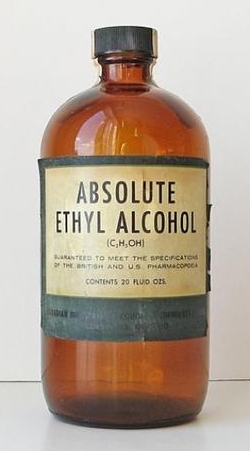
This page is about Ethanol (this is the preferred IUPAC name). The page came about because of a change in HS&E policy at Ardbeg and the prohibition of photography in the stillhouse and warehouse. A new HS&E manager, who worked previously in the oil industry, would have been familiar with the risks of explosion and decided to apply similar policies and rules at the distillery. The affected areas are the stillhouse where ethanol vapour is produced during the distillation process and warehouses where alcohol, having up to perhaps 65% ABV, is stored. The explosive limits for ethanol in air at 20°C are from 3.3% to 19% but the follow-up question was "can someone exist and for how long in such an atmosphere?".
Inhaling ethanol seems to be a popular and increasing means of getting intoxicated quickly. Inhaling alcohol vapour bypasses the usual metabolic route through digestion and is quickly absorbed by the lungs into the blood stream where it has a direct effect on the brain. There are very few technical papers on the effects on inhaling alcohol vapour and these tend to concentrate on the rather minimal impact of using alcohol-based hand sterilising gels. They admit that very little research has been done into the effects of deliberate inhalation and conclude that even hospital and care staff who use cleansing gels frequently have a low risk of intoxication.
So there we have it; there's no research at the moment to show what level of ethanol vapour will cause intoxication or how quickly the onset of symptoms will occur. In the meantime we'll comply with the HS&E policy and, in the event of an incident, follow the fastest member of staff out of the building!